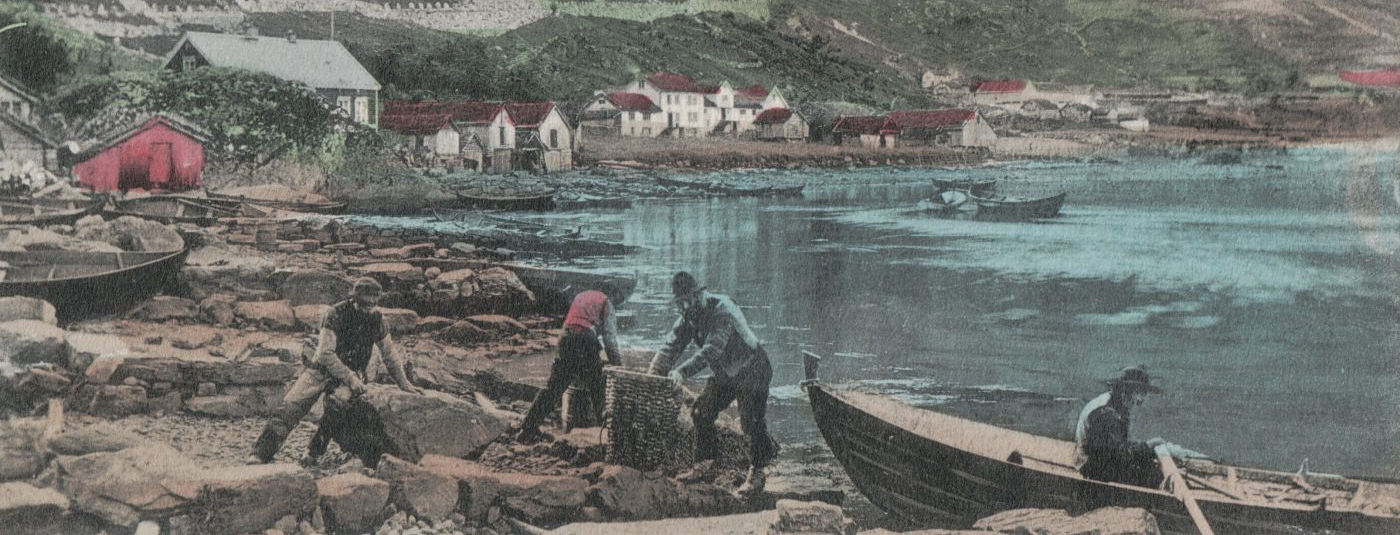
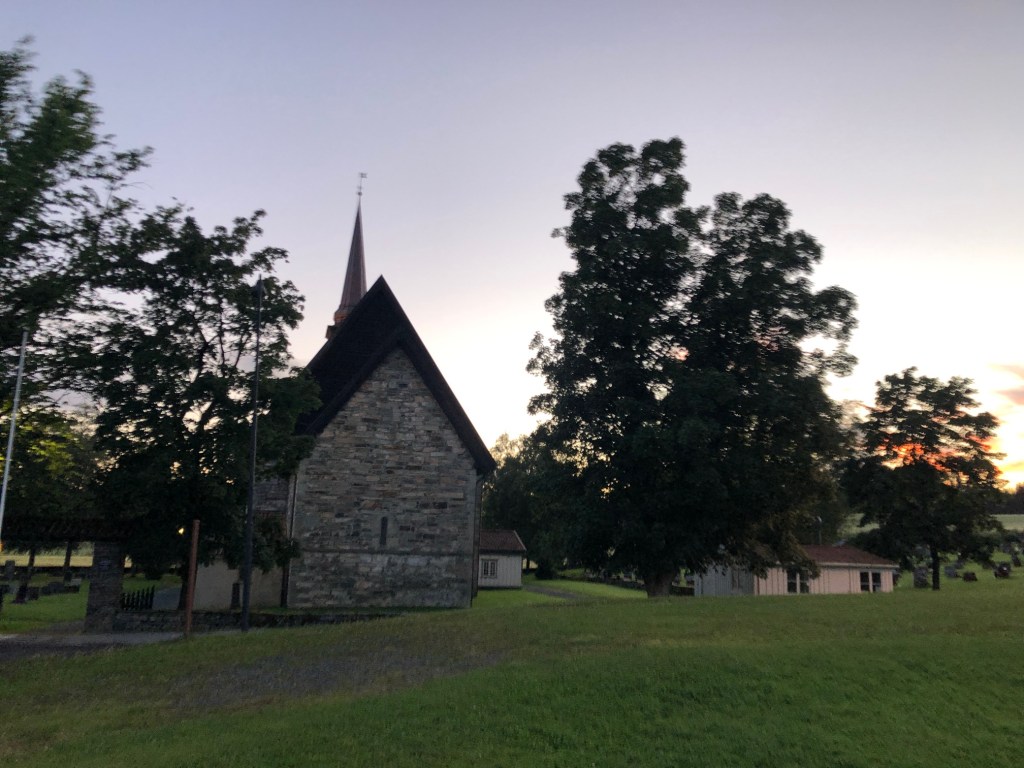
Olsok is a Catholic day of celebration in memory of King Olav who died at the battle of Stiklestad on July 29th in 1030. From this time onwards Norway was regarded as a Christian country. Shortly after his death, in 1031, Olav (often spelled Olaf in English) was canonized in Nidaros. Nidaros was the former name of the city of Trondheim. In 1536, Norway became a protestant country, but some of the traditions of Olsok are still celebrated today.
Olav Haraldsen was born at Ringerike (more about Ringerike here) probably in the year 995. Some of the information is from the Sagas of the time.

A brief summary of his life:
- Olav went to England as a viking
- He converted to the Christian faith in Rouen in France
- In 1016 Olav won over the people in Trøndelag and set himself up as king
- He later conquered other parts of Norway
- His mission was to make Norway a Christian country
- Losing his power, he left for Kiev in 1028 (now the capital of Ukraina)
- He returned to Norway, was once again in battle in Trøndelag, where he was killed at Stiklestad in the year 1030
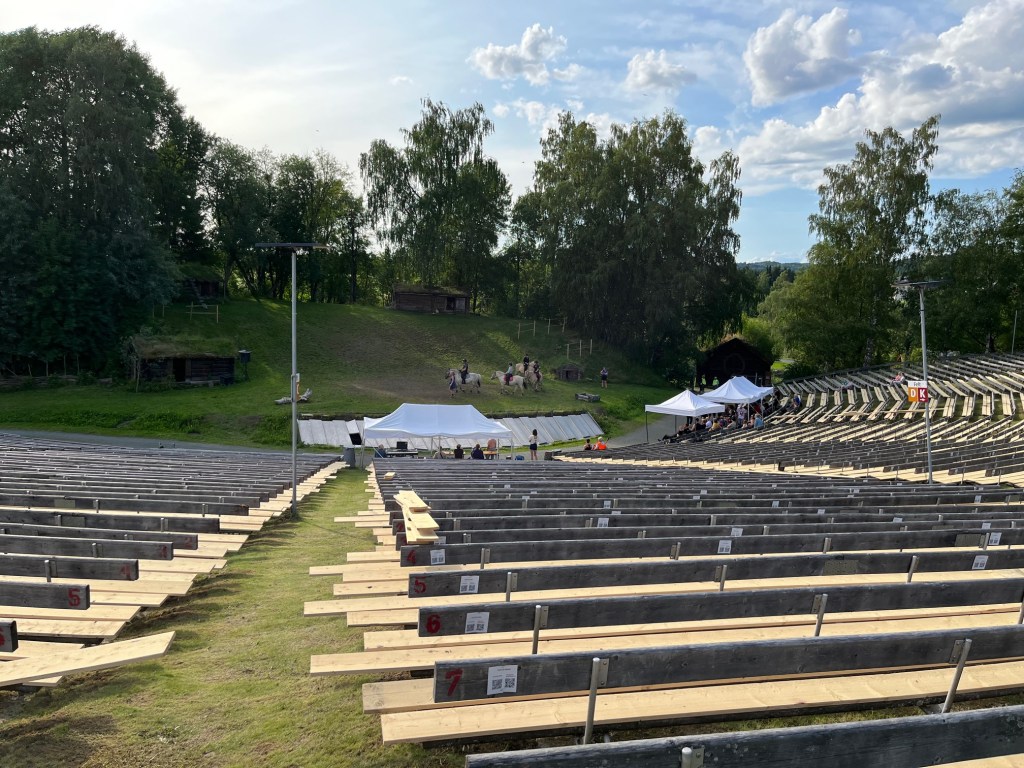
Every year there is an outdoor performance of The Saint Olav Drama at Stiklestad just north of Trondheim, where the battle happened 1000 years ago. It has been played for 70 years. Every few years they change the way the history is portrayed. The performance and scenery are very impressive, with many actors, both amateurs and professionals, and the use of animals like horses, with groups of men riding in. And 5000 people in the audience. The reenactment is performed for a few days at the end of July.
Interest for the celebration of Olsok is most prominent in Trøndelag. Some places have a bonfire like most parts of Norway have on Midsummer’s Eve. Traditional food is also served: spekemat (cured meat) and rømmegrøt (sour cream porridge). The way Olsok is celebrated has changed through time, for religious and historical reasons. Local traditions vary from place to place. Olsok was a special day in the calender and the weather on this day was regarded as a forecast of what was to come. One saying is: «Er Olavsdagen våt, skal bonden høste med gråt.” (If it rains on Olsok, the harvest will make the farmer cry.) The day also signified when different foods were to be harvested, depending on where in Norway you lived.
People have been making pilgrimages to Nidaros/Trondheim for 1000 years. Today there are a few routes leading into the city, both from the Southern parts of Norway and from Sweden. You can find a lot of pictures of the pilgrims of today here. Those who have made the pilgrimage, short or long, find it to be a special experience.
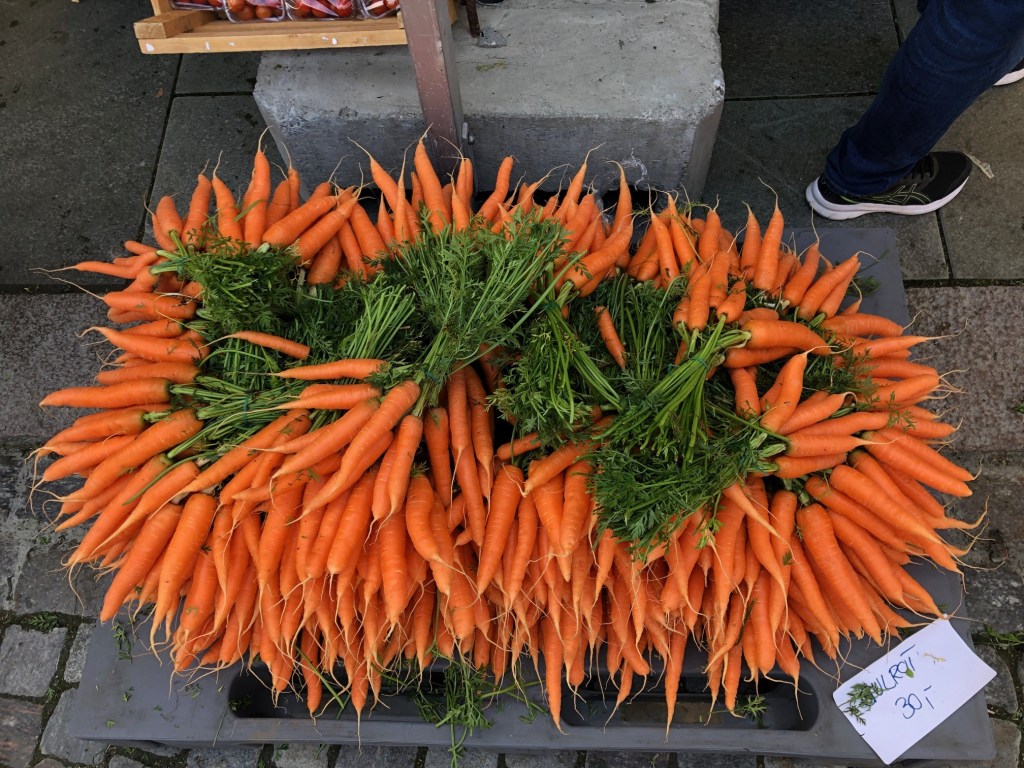
Olavsfest is Trondheim’s annual festival at the time of Olsok. If you plan on going there, this is a good time of year to do it. Trøndelag is beautiful at this time of year, with long light evenings. There are concerts, cultural events and much more. Sometimes there are food and beer festivals at the same time. Trøndelag is an agricultural area with vegetables and fruit, cultivated under the midnight sun, which gives the produce a special flavor. The strawberries are picked until august and can be bought at the market along with cloudberries. Seafood and salmon are produced on the coast of Trøndelag, so why not come and sample some of these delicacies!
Eldbjørg Lyngstad has shared information for this blogpost. Margaret H. Strand has proofread the text.
 Genealogical research in Norway
wow!! 7I manns minne – memories
LikeLike