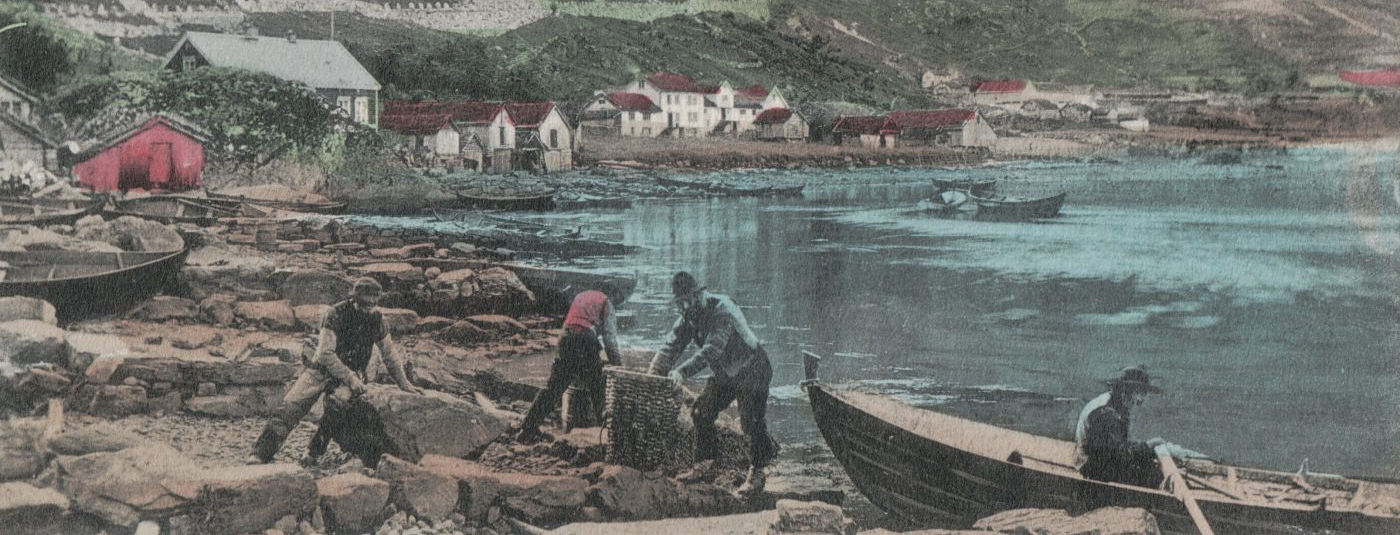

I think that when presenting one’s genealogy, it is important to tell a rich story. Who were our forefathers? What were their lives like? What impacted their choices? How did they make a living? We have previously specified a resource for drawings from many parts of Norway made by Carl Frederik Diriks. Read more here.
Here we will have a look at some of the stories of our forefathers: I manns minne (literally translated: “Within man’s memory”, or rather “Life stories”). This is a series of books (14 in all) published between 1967 and 1975 describing daily life in Norway. The stories were submissions to a competition where people born before 1900 wrote their biographies and competed to write the best one. In the first book, the winners of the competition are presented, while the second volume includes stories from people in both cities and rural areas, or those working in different occupations: eg. crafts, the mines, fishing and farming. The next 12 volumes are organized by county (fylke).
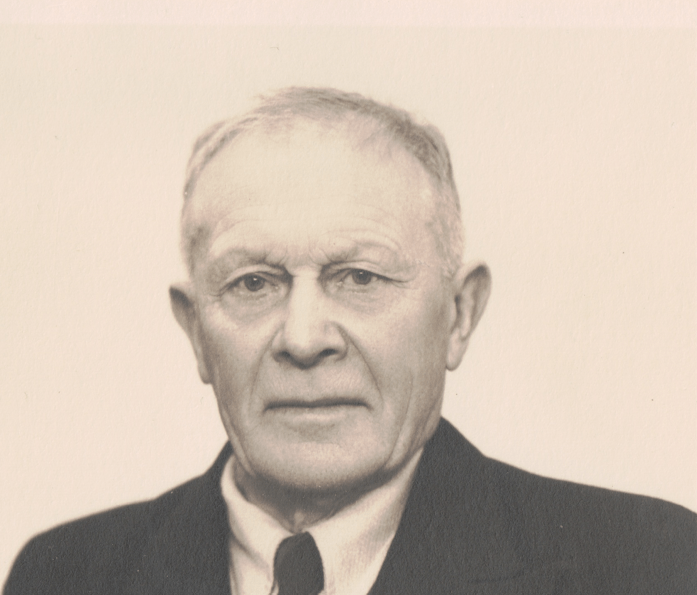
My granduncle is presented in the second book, he has related his life story, and his son, Halvor, has written the text. Tov Halvorsson Holte was born in 1875, in Tinn, Telemark, and he is the fifth of eleven siblings. (The author’s grandmother Birgit was the 9th child and Birgit, Svein and Tov, were the last siblings, living until the 1970’s.) Tov gives details about his parents, his father from the neighboring parish of Numedal and his mother, Aslaug Olsdatter Velta (1851-1935), from a farm in the area. Their father, Halvor Toresson Odden (1843-1928), was a cobbler, a mason and he built roads and bridges. And, most importantly, he was a husmann (smallholder).
When Tov was born, his parents and family had settled at Holte, where they stayed for life. In his story, Tov describes what the grounds looked like when he was a child. The terrain was steep, some covered by forest, with small and large boulders, that made it difficult to cultivate the land. They had a small house, 4 x 4,5 square meters, with only one room; not much furniture, skivo, the table, was fastened to the wall and folded against the wall when not in use. There was also a loft, where the older kids slept.
Halvor had to work outside of the farm, mostly in summer. Aslaug stayed at home with the children, tending to the cows and goats, cutting and raking the hay, and also performing obligatory duties at the main farm whose tenants they were. They never starved, but everything was scarce. Tov remembers one episode when he and the children had to eat food that was not suitable for small children. His mother Aslaug wept because of their circumstances.
Tov remembers the time when he had to work on other farms, herding animals and performing other chores. He would receive board and lodging, and a small wage. He felt that he was helping his parents, one less mouth for them to feed. My grandmother also helped in this way, from the age of seven. So probably all their siblings did this.

The life story of Tov is almost 20 pages long, with a lot of detail about work, pay, whom he worked for and where, dangerous animals, but also fun things happening. He led a rich life and contributed to the place he belonged to. Tov says that when his parents worked at home, his mother sitting by the spinning wheel, his father preparing a block of wood for further work, his father used to sing. The atmosphere in the house was good. Tov also had an interest in music, and Hardingfele (the Harding fiddle) was the main instrument locally, along with the accordion. The family from Numedal (his father’s birthplace had some known spelemenn (fiddle players).
Halvor spent more time in later life at home on his smallholding (husmannsplass) making wooden containers or household utensils. He also made knives and walked quite a distance to sell some scythes (ljåer). Tov was known as a master haymaker, one farmer maintained that he did not need a mower as long as Tov worked for him. Work as a haymaker paid well. Tov married in 1905, and a few years later he bought his parents’ farm. Tov and his wife, Lisbet Pedersdatter Midgaarden, had nine children.
More stories have been collected, the last ones in 2016. They are part of a series kept by Norsk Etnologisk Granskning, an archive belonging to Norsk Folkemuseum (The Norwegian Museum of Cultural History).
 Genealogical research in Norway